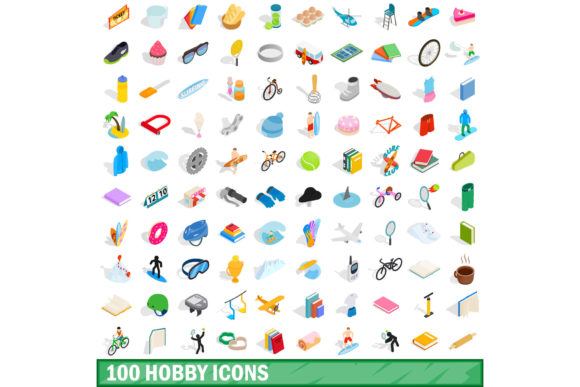
Evaluating the 100 Hobby Icons Set in Isometric 3D Style for Modern Design Projects
In the landscape of digital asset creation, visual consistency and depth are critical for capturing user attention. The 100 Hobby Icons Set, Isometric 3D Style represents a significant category of vector illustrations designed to bring dimensionality to flat interfaces without overwhelming the viewer. For designers, developers, and content creators aged 20–50 who are evaluating visual resources, understanding the specific utility of this icon set is essential before integrating it into broader design systems.
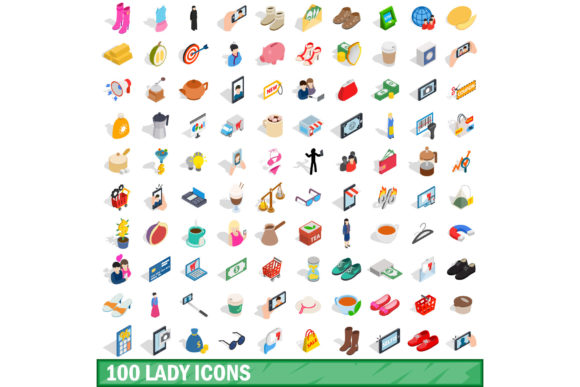
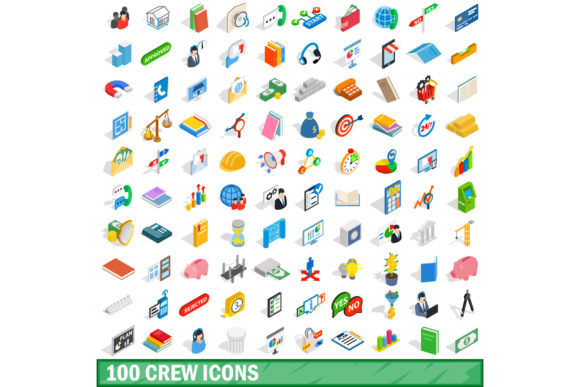
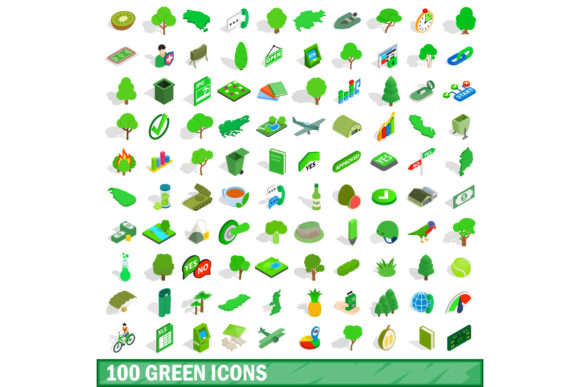
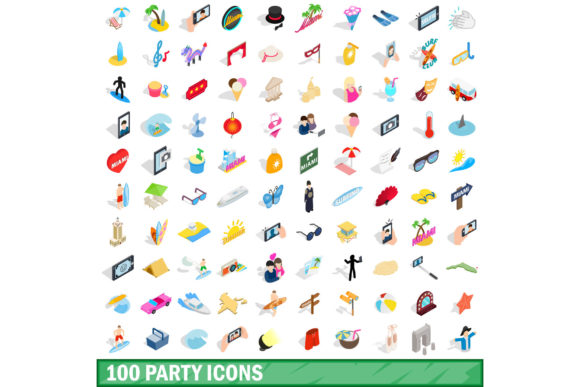
This resource offers a comprehensive library of one hundred distinct icons, each rendered in an isometric perspective. Unlike traditional flat icons that rely solely on two-dimensional shapes and color blocking, isometric designs utilize a specific projection method to create the illusion of three dimensions. This approach adds a layer of sophistication and tactile quality to web pages, mobile applications, and presentation decks. However, selecting the right icon style requires careful consideration of technical constraints, aesthetic goals, and workflow requirements.
Understanding the Isometric 3D Aesthetic
The core appeal of the 100 Hobby Icons Set, Isometric 3D Style lies in its ability to simulate depth while maintaining geometric precision. Isometric projection uses a 30-degree angle for all three axes, ensuring that parallel lines remain parallel and objects do not suffer from perspective distortion. This makes the icons highly legible at various sizes, a crucial factor for responsive design.
When compared to realistic 3D renders or skeuomorphic designs, isometric icons strike a balance between abstraction and realism. They provide enough detail to be instantly recognizable—whether depicting a camera, a knitting needle, or a paintbrush—while remaining abstract enough to fit seamlessly into modern, minimalist UI frameworks. This distinct visual language allows designers to highlight hobbies and activities with a playful yet professional tone.
Technical Versatility Across Formats
A defining characteristic of this particular icon set is its extensive format support, which includes JPG, EPS, AI, PSD, and PNG files. This multi-format availability addresses different stages of the design process:
- AI and EPS Files: These vector formats are indispensable for scalable graphic design. They allow designers to resize the icons without losing quality, making them ideal for logos, large-scale banners, or print materials where resolution independence is paramount.
- PSD Files: The inclusion of Photoshop documents provides layered flexibility. Designers can edit individual components, adjust colors, or combine elements to create custom variations. This is particularly useful when adapting the icons to match a specific brand palette.
- PNG and JPG Files: Raster formats like PNG (with transparency) and JPG are ready for immediate web deployment. They ensure consistent rendering across different browsers and devices, reducing the need for client-side processing.
This variety ensures that whether a project requires final-ready assets or editable source files, the 100 Hobby Icons Set, Isometric 3D Style accommodates the workflow efficiently.
Comparing Isometric Icons to Flat and Line-Art Styles
When researching visual assets, designers often compare isometric styles against other popular categories such as flat design, line art, or duotone icons. Each style serves a different communicative purpose, and the choice depends heavily on the context of the application.
Depth vs. Simplicity
Flat icons prioritize simplicity and speed of recognition. They are excellent for dense information architectures where screen space is limited. In contrast, the 100 Hobby Icons Set, Isometric 3D Style introduces visual weight. The shadows and highlights inherent in the 3D effect draw the eye, making these icons ideal for hero sections, feature highlights, or onboarding screens where engagement is the primary goal. However, this added visual complexity can become cluttered if overused in small navigation bars.
Engagement vs. Neutrality
Line-art icons are neutral and unobtrusive, often used in corporate dashboards or data-heavy applications. Isometric icons, by their nature, are more expressive. The hobby-themed subject matter combined with the 3D style evokes a sense of activity and creativity. This makes the set particularly effective for lifestyle brands, educational platforms, community forums, or creative portfolios. It is less suitable for high-contrast,严肃 (serious) environments such as financial trading platforms or medical record systems, where neutrality is preferred.
Best-Fit Situations for This Icon Set
Determining when to use the 100 Hobby Icons Set, Isometric 3D Style involves analyzing the target audience and the desired emotional response. The set excels in scenarios where visual storytelling and user engagement are prioritized.
User Onboarding and Feature Discovery
In mobile applications, guiding users through new features is a common challenge. Isometric icons provide a clear visual anchor that helps users associate complex actions with simple symbols. For example, an "Explore" feature might be represented by an isometric compass or map, while "Create" could be shown with a stylus or brush. The depth of the icon helps differentiate these primary actions from secondary settings or utilities.
Educational and Lifestyle Platforms
Websites dedicated to learning new skills—such as cooking, coding, gardening, or photography—benefit significantly from this style. The hobby-centric nature of the 100 icons covers a wide range of interests, allowing for cohesive thematic design. When a user lands on a page about photography, seeing a detailed isometric camera alongside text creates a more immersive experience than a flat outline would.
Marketing and Presentation Materials
For pitch decks, brochures, and social media graphics, the 100 Hobby Icons Set, Isometric 3D Style adds polish. The vector formats (AI/EPS) allow for crisp scaling, while the raster formats (PNG/JPG) ensure easy insertion into layout software. The 3D effect stands out against white or light backgrounds, helping key points pop in crowded slides.
Evaluating Tradeoffs and Limitations
No single design asset is a universal solution. Understanding the limitations of the 100 Hobby Icons Set, Isometric 3D Style is just as important as recognizing its strengths.
Development Complexity
While the visual appeal is high, implementing isometric icons in code can be more challenging than using SVG sprites for flat icons. Developers may need to optimize the SVG paths to ensure smooth rendering, especially on lower-end devices. Additionally, the fixed angle of isometric design means that animations must be carefully crafted to maintain the 3D illusion; standard CSS transforms might not always behave predictably with complex isometric shapes.
Brand Consistency Challenges
If a brand already has an established icon system based on flat or rounded styles, introducing isometric icons can create visual dissonance. Mixing styles within the same interface can confuse users and dilute brand identity. Therefore, this set is best used as a standalone visual system or introduced in specific sections where a break from the main UI pattern is intentional.
File Size Considerations
Isometric icons often contain more path data and gradient definitions than simple flat icons. While vector files remain lightweight, exporting high-resolution PNGs for dark mode or high-DPI screens can result in larger file sizes. Designers must balance visual fidelity with performance optimization, particularly for web applications where load times impact user retention.
Decision Factors for Designers
Choosing between the 100 Hobby Icons Set, Isometric 3D Style and alternative resources should be guided by a few key questions:
- What is the primary goal of the interface? If the goal is clarity and speed, flat icons may be superior. If the goal is engagement and immersion, isometric icons offer a distinct advantage.
- Does the existing design system support depth? Ensure that typography, spacing, and other graphical elements complement the 3D aesthetic. A heavy isometric icon paired with thin, delicate fonts may look mismatched.
- Are editable files required? If your team needs to frequently update colors or modify shapes, the AI and PSD formats included in this set provide the necessary flexibility. If you only need static images for quick deployment, the PNG and JPG options suffice.
- Is the theme relevant? Since the set focuses on hobbies, evaluate whether the specific icons needed (e.g., musical instruments, sports equipment, craft tools) align with your content. A general-purpose business set might be more appropriate for a SaaS dashboard.
Conclusion on Utility and Application
The 100 Hobby Icons Set, Isometric 3D Style is a robust resource for designers seeking to add depth and character to their projects. Its strength lies in the harmonious blend of technical versatility—offered through multiple file formats—and aesthetic appeal, characterized by precise isometric projection. By providing a wide array of hobby-related subjects, it caters specifically to lifestyle, education, and creative industries.
However, success with this asset depends on strategic implementation. It is not a replacement for functional, low-friction iconography but rather a tool for enhancement. When used selectively to highlight key features, engage users, or elevate marketing materials, the set delivers significant value. For projects requiring strict minimalism or high-performance efficiency, designers may find simpler alternatives more suitable. Ultimately, the decision rests on aligning the visual weight of the isometric style with the communicative needs of the design.