3d Bi-fold Brochure Stage Mockup Design
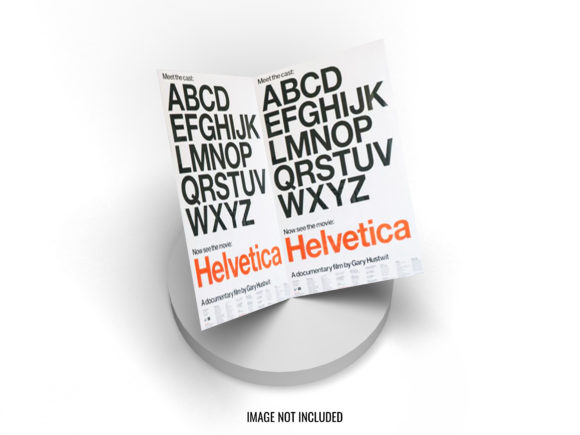
In the rapidly evolving landscape of visual communication, the way designers present their work is just as critical as the design itself. For professionals ranging from freelance graphic artists to marketing directors at established agencies, the transition from digital creation to client presentation requires a bridge that feels tangible and realistic. This is where the 3d Bi-fold Brochure Stage Mockup Design becomes an indispensable tool. It transforms flat, two-dimensional files into immersive, three-dimensional representations that allow stakeholders to visualize the final product before it ever hits the printer.
The relevance of this specific mockup template lies in its ability to simulate real-world conditions. A bi-fold brochure is not merely a folded piece of paper; it is a tactile experience involving texture, weight, lighting, and perspective. By utilizing a high-fidelity 3D mockup, designers can showcase how their typography, color palettes, and layout decisions interact with physical space. This level of detail builds trust with clients who may struggle to interpret abstract digital proofs, thereby streamlining the approval process and reducing costly revision cycles.
The Evolution of Presentation Standards
Gone are the days when sending a JPEG or PDF attachment was sufficient for securing client sign-off. Modern workflows demand a higher standard of proofing. As remote work and global collaboration have become the norm, the inability to physically hand over a prototype has created a gap in communication. Clients need to see the "feel" of the material. The 3d Bi-fold brochure mockup design template addresses this by providing a virtual staging area that mimics professional photography studios.
This shift reflects a broader trend in creative practices: the democratization of high-end presentation tools. Previously, creating photorealistic mockups required expensive software skills and extensive rendering time. Today, accessible templates allow even hobbyists and small business owners to present their work with the polish of top-tier agencies. The focus has moved from simply displaying the design to curating the context in which the design exists. A well-staged mockup tells a story about the brand’s attention to detail, professionalism, and commitment to quality.
Technical Specifications and Workflow Efficiency
To truly leverage the power of a 3d Bi-fold Stage Mockup Design, understanding its technical backbone is essential. The efficiency of a designer’s workflow often hinges on the usability of the assets they use. High-quality mockups are not just images; they are structured documents designed for seamless integration into existing projects. The specifications provided for this particular template highlight several key features that cater to modern Adobe Photoshop workflows.
- Adobe Photoshop CC Version Compatibility: Ensuring the file is compatible with current versions of Photoshop allows designers to utilize the latest features without encountering compatibility errors. This backward and forward compatibility is crucial for teams working across different update cycles.
- Smart Objects (300 DPI): The use of Smart Objects is a game-changer for efficiency. Instead of manually painting or warping designs onto a flat image, designers can double-click the Smart Object layer to edit their artwork in a separate window. Changes save automatically, updating the 3D view instantly. The 300 DPI resolution ensures that the inserted design remains crisp and print-ready, eliminating pixelation issues during close-up reviews.
- High Resolution (4000×3000 Pixels): At 4000 by 3000 pixels, this mockup provides ample detail for both screen-based presentations and large-format prints. Whether displayed on a 4K monitor or printed for a physical portfolio, the image retains its sharpness. This resolution supports detailed scrutiny, allowing clients to zoom in on specific elements like font kerning or image bleeds.
- RGB Color Mode: While final print files should always be converted to CMYK, presenting mockups in RGB mode offers more vibrant and accurate colors on digital screens. This ensures that the client sees the intended vibrancy of the design, preventing the common shock of duller colors when moving to print production.
Mastering Light, Shadow, and Organization
What separates a good mockup from a great one is the handling of light and shadow. In the physical world, no object exists in a vacuum. Shadows provide depth, grounding the brochure in its environment, while highlights reveal the texture of the paper stock. This 3d Bi-fold mockup design allows users to adjust lights and shadows, giving them control over the mood of the presentation. A soft, diffused light might suggest elegance and sophistication, suitable for a luxury brand, whereas harsher, directional lighting could convey boldness and modernity.
Furthermore, the organization of layers plays a pivotal role in maintaining a healthy workflow. A well-organized layers structure means that every element—from the background stage to the subtle creases in the fold—is separated logically. This modularity allows designers to isolate components if needed, such as removing the background for a clean white-space presentation or adjusting the angle of the fold independently. The easily editable layer approach reduces friction, enabling quick iterations. If a client requests a change in color scheme, the designer can swap out the background or adjust the ambient lighting without starting from scratch.
Practical Implications for Professionals and Businesses
For marketers and business owners, the implications of using advanced mockup designs extend beyond aesthetics. They impact conversion rates, client satisfaction, and brand perception. When a proposal includes a realistic 3D representation of a brochure, it signals preparedness. It shows that the service provider has thought through the entire lifecycle of the project, from concept to physical output.
Consider a scenario where a startup is pitching to investors. Alongside their pitch deck, they include a mockup of their informational bi-fold brochure. The investor can visually grasp the company’s messaging strategy and visual identity. This tangible preview reduces cognitive load, making it easier for non-designers to evaluate the effectiveness of the communication materials. Similarly, for educators and bloggers, these mockups serve as powerful visual aids in tutorials or case studies, demonstrating best practices in layout and composition.
Moreover, in a market saturated with digital noise, standing out requires more than just a compelling message; it requires compelling delivery. A 3d Bi-fold Brochure Stage Mockup Design helps brands stand out in email campaigns, social media posts, and online portfolios. It captures attention in a way that flat images cannot, encouraging longer engagement times and deeper interaction with the content.
Integrating Mockups into Modern Creative Practices
As we look toward the future of design, the integration of 3D elements into traditional graphic design workflows will likely deepen. With advancements in AR (Augmented Reality) and VR (Virtual Reality), the line between digital mockups and physical products continues to blur. However, even without these emerging technologies, the value of a high-quality static 3D mockup remains undisputed. It serves as the foundational step in a multi-channel presentation strategy.
Designers are encouraged to experiment with the lighting and shadow controls offered by templates like this one. Don’t settle for the default settings. Adjust the intensity of the shadows to match the time of day you want to evoke. Tweak the highlights to emphasize the glossiness or matte finish of your chosen paper stock. These subtle adjustments can dramatically alter the perceived value of the design.
Additionally, consider the context of the audience. For tech-savvy audiences, a sleek, minimalist stage setup with cool tones might resonate better. For lifestyle or culinary brands, a warmer, textured background with natural lighting could be more effective. The flexibility of the 3d Bi-fold brochure mockup design template allows for this customization, ensuring that the presentation aligns perfectly with the brand’s voice.
Conclusion on Utility and Impact
The adoption of a 3d Bi-fold Stage Mockup Design is not just about making things look pretty; it is about enhancing communication and clarity in the design process. By leveraging the technical strengths of Photoshop—such as Smart Objects, high resolution, and organized layers—designers can create presentations that are both efficient to produce and impactful to view. In an era where first impressions are formed digitally, providing a realistic, high-fidelity preview of your work is a strategic advantage. It bridges the gap between imagination and reality, empowering creators to share their vision with confidence and precision.