Valentine Gift Box and Falling Heart: A Visual Analysis for Holiday Design Projects
In the realm of digital graphic design, few visual motifs carry as much immediate emotional resonance as the combination of a premium gift presentation and dynamic romantic symbolism. The concept of a Valentine Gift Box and Falling Heart serves as a cornerstone for seasonal marketing, event branding, and celebratory web design. This specific aesthetic—often rendered in high-fidelity 3D illustration—combines tactile luxury with abstract emotion, creating a composition that is both inviting and visually striking. For designers, marketers, and event planners, understanding the nuances of this imagery is crucial for selecting the right assets to communicate value, affection, and exclusivity.
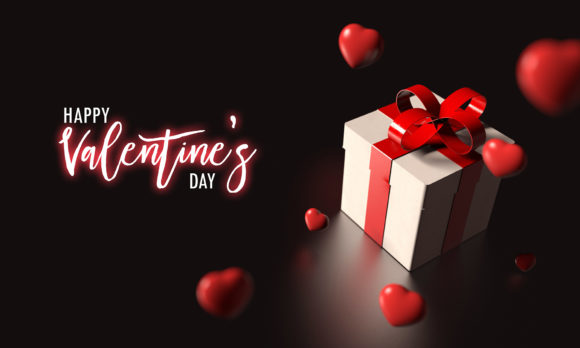
The core subject matter typically features a meticulously crafted white gift box adorned with a vibrant red ribbon, set against a stark black background. Surrounding this central object are numerous hearts descending from above, creating a sense of abundance and celebration. This visual narrative is not limited to Valentine’s Day; its versatility extends into Christmas holiday campaigns, Black Friday promotions, and birthday celebration banners. By examining the technical specifications, stylistic choices, and strategic applications of this design element, professionals can make more informed decisions about how to utilize such assets in their projects.
Deconstructing the Visual Composition
To evaluate the effectiveness of a Valentine Gift Box and Falling Heart design, one must first look at its structural components. The choice of a white gift box is deliberate. White conveys purity, simplicity, and modern elegance, while the red ribbon introduces a bold, contrasting accent that draws the eye immediately to the product or message being highlighted. This color triad—white, red, and black—is a classic combination in graphic design because it offers maximum contrast without visual clutter. The black background serves to isolate the subject, ensuring that no other elements compete for the viewer’s attention.
The falling hearts add a layer of dynamism to an otherwise static scene. In 3D illustration rendering, these hearts are often designed with varying degrees of opacity, scale, and depth of field. This technique creates a sense of movement and three-dimensionality, making the image feel alive rather than flat. When executed well, the hearts appear to be gently drifting down, suggesting a natural, effortless flow of affection. This motion is particularly effective in digital formats, where subtle animations can be layered over static PSD files to enhance engagement.
Technical precision plays a significant role in the final output. High-resolution assets, such as those sized at 5000×3000 pixels, provide the necessary detail for large-format printing or high-density digital displays. At this resolution, the texture of the ribbon, the sheen on the gift box, and the soft edges of the falling hearts are rendered with clarity. This level of detail allows designers to crop, resize, and manipulate the image without losing quality, which is essential for responsive web design where images must adapt to various screen sizes.
Strategic Applications Across Holidays and Events
While the primary association of a Valentine Gift Box and Falling Heart is romantic love, its application is far broader. Marketers and designers frequently repurpose this imagery for multiple occasions by tweaking contextual cues. For instance, during the Christmas holiday season, the same white box and red ribbon motif aligns perfectly with traditional winter colors. The falling hearts can be subtly reimagined as snowflakes or stars, or kept as hearts to emphasize the spirit of giving. This flexibility makes the asset highly valuable for agencies managing multi-seasonal campaigns.
Black Friday presents another unique opportunity for this design style. Typically associated with dark themes and aggressive typography, Black Friday campaigns can benefit from the elegance of a 3D gift box. By positioning the Valentine Gift Box and Falling Heart as a symbol of "premium deals" or "exclusive rewards," brands can elevate their sales messaging. The contrast between the luxurious packaging and the urgency of a sale creates a compelling psychological hook, suggesting that the customer is receiving a high-value item at a discounted price.
Birthday celebrations also find a strong fit within this visual framework. The falling hearts represent joy and festivity, while the gift box signifies the personal nature of the occasion. Event banners for birthdays, especially milestone ones, can use this imagery to convey warmth and appreciation. The key here is customization; designers might alter the text overlays or add personalized elements to the box to tailor the generic stock imagery to a specific individual or brand identity.
Comparing 3D Illustration Styles and Formats
When evaluating design options, it is important to distinguish between different artistic approaches. The Valentine Gift Box and Falling Heart concept can be interpreted through various lenses, including minimalist vector art, photorealistic photography, or stylized 3D rendering. Each approach has distinct advantages and tradeoffs.
- Photorealistic Photography: Offers undeniable authenticity and texture. However, it lacks the flexibility of editing. Once a photo is taken, lighting and composition are fixed. Adjusting the background or removing elements requires extensive Photoshop work.
- Minimalist Vector Art: Lightweight and scalable, ideal for web interfaces and mobile apps. Yet, it may lack the emotional depth and tactile appeal that a 3D render provides. It often feels too sterile for luxury or celebratory contexts.
- 3D Illustration Rendering: Strikes a balance between realism and artistic control. Designers can adjust lighting, materials, and camera angles precisely. The resulting image feels tangible and immersive, making it superior for hero banners and print advertisements where impact is paramount.
The availability of a PSD file further enhances the utility of a 3D illustration. Unlike a flattened JPEG or PNG, a PSD file contains layers that allow for non-destructive editing. A designer can change the color of the ribbon, swap out the heart shapes, or adjust the brightness of the black background without starting from scratch. This modularity is a critical factor for teams working under tight deadlines or those who need to A/B test different visual variations.
Evaluating Tradeoffs and Decision Factors
Selecting the right visual asset involves weighing several factors. Cost, time, and technical expertise are primary considerations. High-quality 3D renders often come at a higher price point due to the specialized skills required to create them. However, the long-term value lies in their versatility. A single well-crafted Valentine Gift Box and Falling Heart image can be adapted for email headers, social media posts, website banners, and printed flyers, reducing the need to commission multiple separate designs.
Another consideration is brand alignment. Not all brands suit the elegant, romantic aesthetic of a white box with red ribbons. Brands targeting a younger, edgier demographic might prefer bolder colors or more abstract representations. Conversely, luxury brands will find this style reinforces their commitment to quality and sophistication. It is essential to ensure that the visual language matches the brand voice. If a brand’s identity is playful and chaotic, the structured elegance of a 3D gift box might feel out of place.
Furthermore, accessibility should not be overlooked. While the visual impact of falling hearts is strong, designers must ensure that text overlays remain legible against the busy background. Using semi-transparent boxes or adjusting the density of the falling hearts can help maintain readability. Additionally, providing alt-text that accurately describes the Valentine Gift Box and Falling Heart imagery ensures that the content is accessible to users relying on screen readers.
Best Practices for Implementation
For those deciding to incorporate this design into their workflow, adherence to best practices ensures optimal results. First, always verify the resolution and file format before purchase or download. Confirming that the asset is indeed a 5000×3000 pixel PSD file prevents issues during scaling. Second, plan the layout before opening the software. Sketching out where the text, call-to-action buttons, and negative space will go helps in utilizing the existing composition effectively.
Third, consider the psychological impact of color psychology. Red stimulates excitement and urgency, while white suggests cleanliness and new beginnings. The black background adds a touch of mystery and premium feel. Understanding these subconscious cues allows designers to fine-tune the message. For example, if the goal is to promote a limited-time offer, emphasizing the red elements can drive action. If the goal is to build brand trust, focusing on the clean lines of the white box may be more appropriate.
Finally, remember that trends evolve. While the Valentine Gift Box and Falling Heart is a timeless classic, staying updated on current design trends—such as glassmorphism, neon gradients, or augmented reality filters—can keep the imagery fresh. Integrating these modern touches with the traditional gift box motif can create a hybrid style that appeals to contemporary audiences while retaining the core emotional appeal.
In conclusion, the Valentine Gift Box and Falling Heart is more than just a decorative element; it is a versatile communication tool. Its ability to span across holidays, events, and marketing channels makes it a valuable asset for any designer’s toolkit. By understanding its composition, comparing it with alternative styles, and applying it with strategic intent, professionals can create compelling visuals that resonate deeply with their audience. Whether for a romantic gesture, a festive sale, or a personal celebration, this design concept offers a reliable foundation for impactful graphic design.